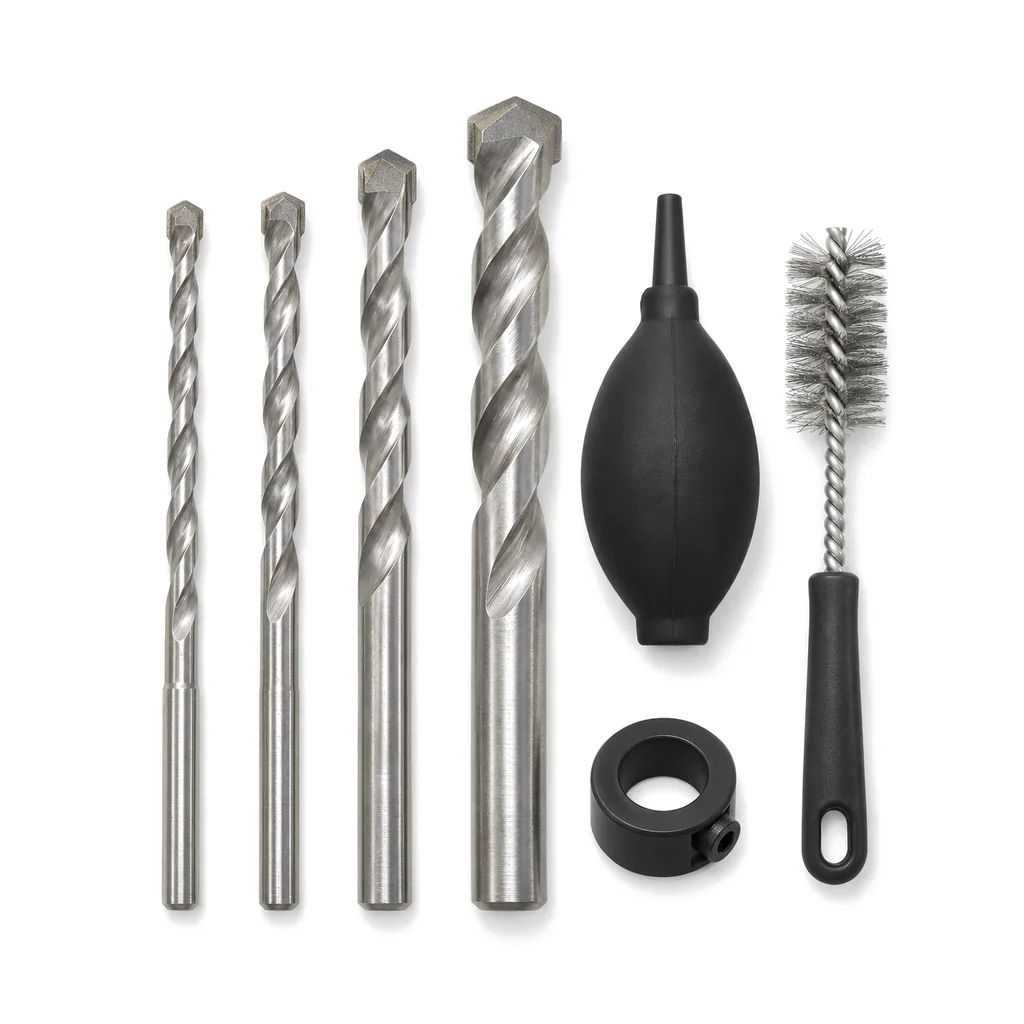
Photos illustrate the product type.
Drill Bits for Mounting Sign Letters, Masonry or Wood and Drywall
Drill bit sets sized for the studs that ship with our signs: carbide masonry bits for brick, concrete and stucco, or bits for wood and drywall.
About Drill Bits for Mounting Sign Letters
Every sign we make ships with its mounting hardware and a full-size paper template. What you add is a drill and the right bits. These sets are sized for the hardware we send, so the stud holes and the power lead hole come out the right size the first time.
Most of our letters hang on M4 threaded studs; large letters use thicker studs. Each set has:
- Two 1/4 in (6 mm) bits for the M4 stud holes. These are the holes you drill most, so you get two.
- One 5/16 in (8 mm) bit for the thicker studs on large letters.
- One 1/2 in (13 mm) bit for the hole the power lead of a lit letter passes through.
- A depth stop, so every stud hole comes out the same depth.
Read more
The masonry set is for brick, concrete and stucco. Its bits are carbide-tipped, and it adds a blow-out bulb and a small brush. Drilling masonry leaves fine dust packed in the hole. Brush it loose and blow it out before the silicone goes in, so the silicone fills the hole and grips the sides instead of sitting on dust.
The wood and drywall set has the same bit sizes and a depth stop, for drywall, wood fascias and wood framing.
How to use them:
- Tape up the template, mark every hole through it, then take it down and drill on the bare wall.
- Set the depth stop a little deeper than the studs are long.
- Hold the drill square to the wall, so the studs go in straight and the letter sits flat.
- On brick and concrete, use a hammer drill. On stucco, use the hammer drill too, but start each hole without the hammer setting so the surface does not chip.
- On wood and drywall, a regular drill does the job.
- If the anchors you use call for a different hole size, drill the size the anchor asks for.
The bits fit a standard 3/8 in or 1/2 in drill chuck. The drill is not included. Wear safety glasses whenever the drill runs.
How to choose
Pick the set for the wall the sign goes on. A storefront fascia is usually masonry or stucco; an office or lobby wall is usually drywall.
Masonry: brick, concrete, stucco. For most storefront fascias. It has the blow-out bulb and brush for cleaning the holes, and you need a hammer drill.
Wood and drywall. For walls inside offices, lobbies and shops, wood fascias and wood framing. A regular drill works. On drywall, heavy letters should reach the framing behind the board, so find it before you drill.
If the letters go on two kinds of wall, for example stucco outside and drywall in the lobby, order both sets. Not sure what your wall is made of? Send us a photo and we tell you which set fits.
Drill Bits for Mounting Sign Letters specifications
| Sets | Masonry: brick, concrete, stuccoOr Wood and drywall |
|---|---|
| Stud hole bits | Two 1/4 in (6 mm), for M4 threaded studs |
| Large letter bit | One 5/16 in (8 mm), for the thicker studs |
| Power lead bit | One 1/2 in (13 mm) |
| Masonry set | Carbide-tipped bits, blow-out bulb and hole brush |
| Depth stop | Included in both sets |
| Drill chuck | Fits a standard 3/8 in or 1/2 in chuck |
| Drill | Not includedUse a hammer drill for brick, concrete and stucco |
| SKU | MT-BITS |
Questions
Do I need a hammer drill?
For brick, concrete and stucco, yes; a regular drill makes slow work of masonry. On stucco, start each hole without the hammer setting so the surface does not chip. For wood and drywall, a regular drill is fine.
Is the drill included?
No. You get the bits and the depth stop, plus the blow-out bulb and brush in the masonry set. The bits fit a standard 3/8 in or 1/2 in drill chuck.
Why clean the holes before the silicone?
Drilling leaves dust packed in the hole. Silicone sticks to the dust instead of the wall, so the seal is weak. Brush each hole, blow it out, then fill it.
What is the 1/2 in bit for?
Each lit letter has a power lead that passes through the wall to the power supply, and the template marks that hole. Ask your electrician first if they want a sleeve or conduit in it.
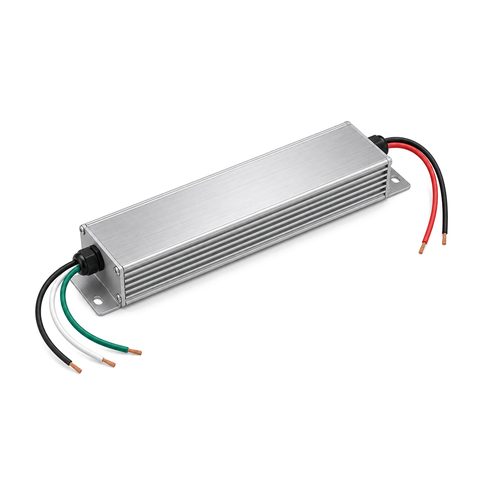 12V LED Sign Power Supply
You may also need
-
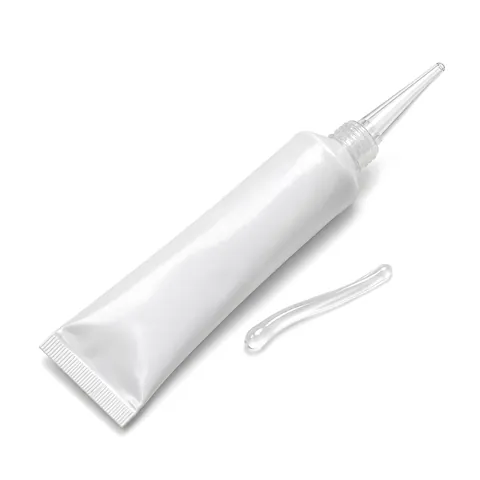
Clear Exterior Silicone for Mounting Sign Letters, Squeeze Tube
Clear 100% silicone in a squeeze tube to seal the stud holes and the power lead hole behind your sign, outdoors or indoors. No caulk gun needed.
From $8.99 · 2 options
-
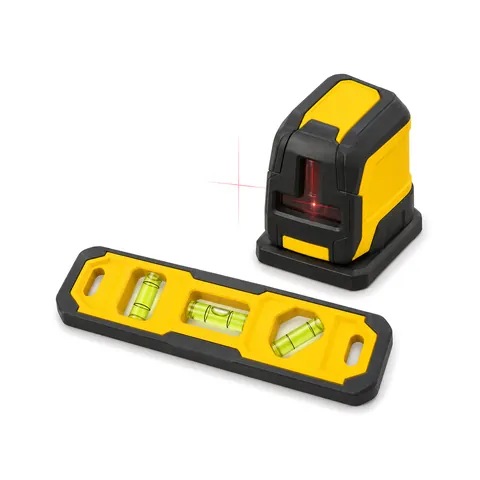
Level for Hanging Sign Letters, Magnetic Torpedo or Cross-Line Laser
Level the paper template before you mark the holes: a 9 in magnetic torpedo level, or a self-leveling cross-line laser for long signs.
From $9.99 · 2 options
-
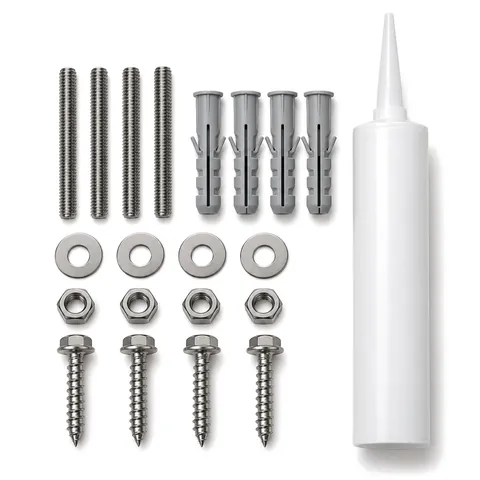
Channel Letter Mounting Hardware Kit, Studs and Anchors
Spare hardware for flush-mounting channel letters: stainless threaded studs, anchors for masonry and drywall, washers, nuts and exterior silicone.
From $19.99 · 2 options